

Overview
Tibet Embark on a five – day Lhasa – Yamdrok Lake Tour and deeply experience the unique charm of Tibet. After arriving in Lhasa, you can visit the Lhasa Traditional Handicraft Center to explore the allure of traditional Tibetan craftsmanship. Enter Sera Monastery (no debating on Sundays) to feel its solemn tranquility. Ascend the Potala Palace, overlook Lhasa City, and appreciate the grandeur of this palace on the roof of the world. Step into Jokhang Temple and sense the sacred atmosphere of this holy site of Tibetan Buddhism. Stroll along Barkhor Street, experience the local hustle – and – bustle of Tibet, and savor special local delicacies. You will also journey to Yamdrok Lake to admire this sacred lake that resembles a piece of green jade, and visit Tashilhunpo Monastery to explore the mysteries of Tibetan Buddhism. When the journey concludes, you’ll set off on your return journey with beautiful memories of this land. This trip is bound to be an unforgettable experience.
Highlights
- Visit Sera Monastery, Jokhang Temple, and Tashilhunpo Monastery to experience the allure of Tibetan Buddhism from various perspectives, such as Buddhist debates and Buddha - statue worship.
- Get the chance to savor Tibetan cuisine and Nepalese specialties, experiencing the blended flavors of the plateau and foreign lands.
- Visit renowned attractions like the Potala Palace and explore niche spots such as the traditional handicraft center for a rich travel experience.
- The 5 - day itinerary is well - organized, allowing for efficient sightseeing while also enabling in - depth immersion in the natural scenery and culture of Tibet.
Itinerary
Upon arrival at the airport or train station, our friendly staff will greet you with warm smiles and a traditional Tibetan white hada (scarf). As a first-time visitor to the plateau, the best advice is to take it slow and relax. We will transfer you to your comfortable hotel for a full rest, allowing your body to gradually acclimate to Lhasa’s 3,650-meter high-altitude environment. Tashi Delek!! (Tibetan for “Good Luck and Blessings”) You will have the rest of the day and evening to rest and relax to get acclimatized to the high altitude of Tibet.
【Notice】
- Please note that due to the early morning departure required for our Day 04 Yamdrok Lake tour, we recommend booking flights arriving in Lhasa by the morning. Spend the remainder of the day resting to conserve energy for the upcoming lake exploration.
- Pick up/drop off: Foreign and Taiwanese travelers need a tour guide to pick up/drop off according to the regulations of the Tourism Administration. Chinese travelers without foreign partners will be picked up/dropped off by the local professional Transfer Center. Our staff/guide will contact you in advance, please ensure that your mobile phone is unobstructed.
- Altitude sickness: With its much higher elevation, some visitors may experience symptoms of altitude sickness. We recommend taking everything slowly, getting plenty of rest the first day and staying very well hydrated by drinking plenty of water to minimize the effects of the high altitude. Usually, you will be fine by the second day, but if you do experience severe and/or worsening symptoms, please contact your guide or a member of our staff immediately.
After breakfast at your hotel, we will start your first full day of cultural exploration in Lhasa. In the morning, we will head to Drepung Monastery, the largest monastery in Tibet and once the heart of the Gelug school of Tibetan Buddhism. You will wander through its ancient courtyards, visit the grand Buddha halls, and learn about the monastery’s rich history and religious significance.
In the afternoon, we will proceed to Sera Monastery, one of Lhasa’s “Great Three” monasteries, famous for its vibrant and dynamic monk debate ceremony. You will witness the monks engage in lively philosophical discussions, using expressive hand gestures and passionate arguments to deepen their understanding of Buddhist teachings—an unforgettable cultural experience unique to Tibet.
In the evening, we will treat you to a welcome dinner at a local Tibetan restaurant, where you can taste authentic Tibetan cuisine such as yak butter tea, tsampa, and momo, to kick off your wonderful Tibetan journey. After dinner, you will return to your hotel for a good rest.
【Notice】
- Please wear comfortable walking shoes, as you will need to walk a lot in the monasteries.
- Please respect local religious beliefs and customs. Do not take photos of the monks during the debate without permission, and keep your voice down in the monastery.
- The debate ceremony is held at 3:00 PM every day. Please arrive on time and follow the guide’s arrangement.
- Please bring water and sunscreen to protect yourself from the strong ultraviolet rays on the plateau.
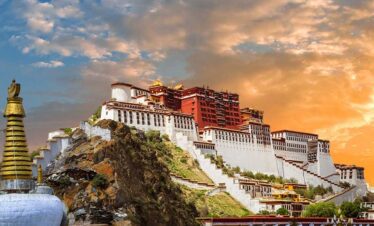
After breakfast, we will visit the iconic Potala Palace, the highest palace in the world and a symbol of Tibet. You will climb the 365 steps to the main palace, explore the magnificent halls, precious stupas, exquisite murals, and countless cultural relics, and learn about the history of the Dalai Lamas and Tibetan politics and religion.
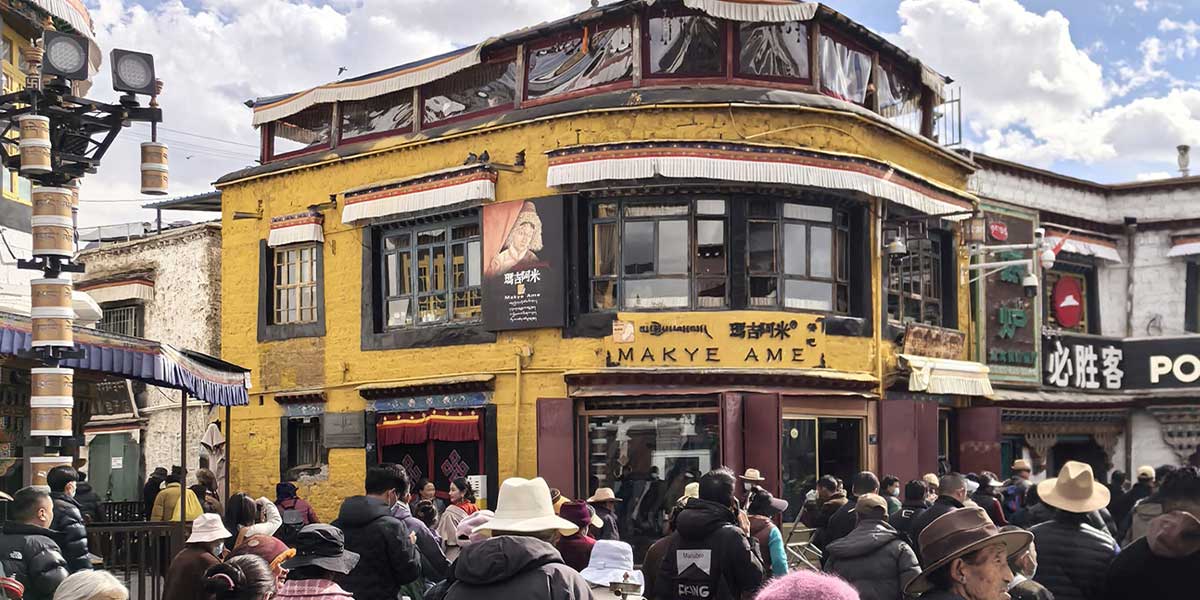
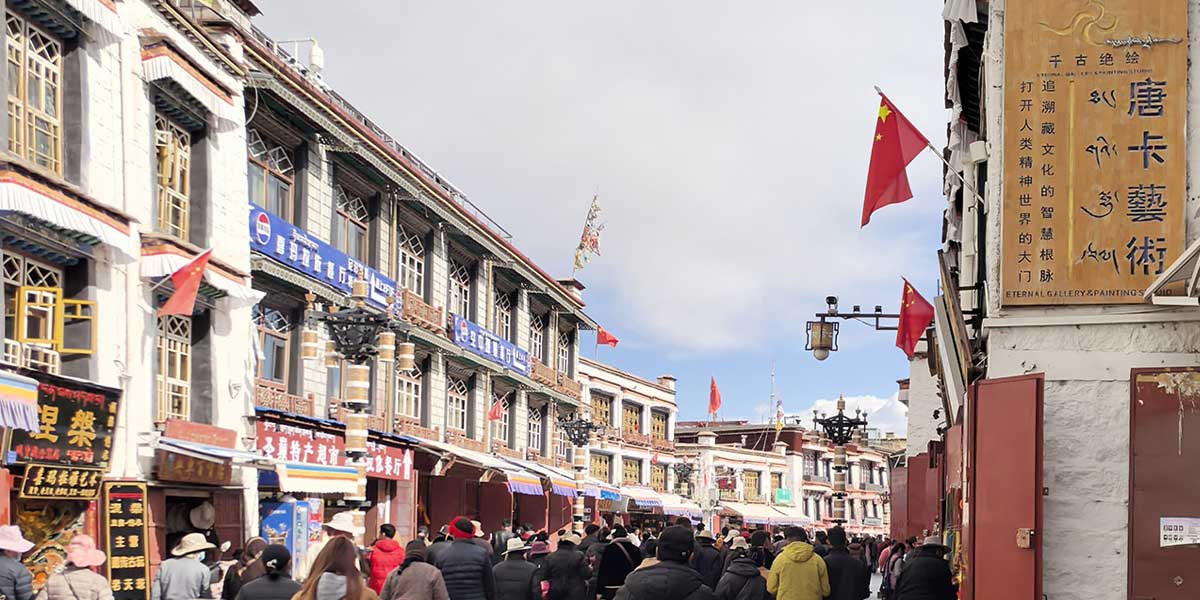
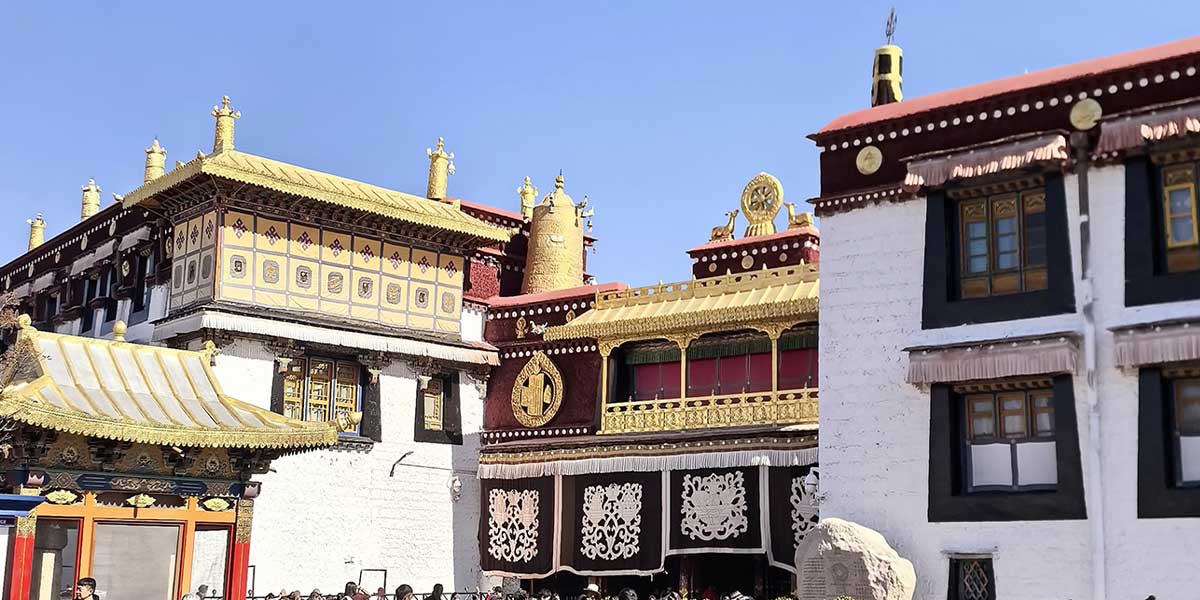
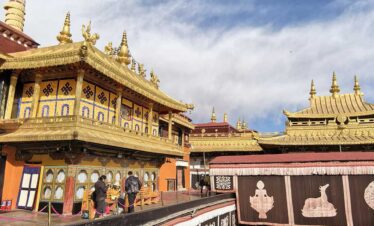
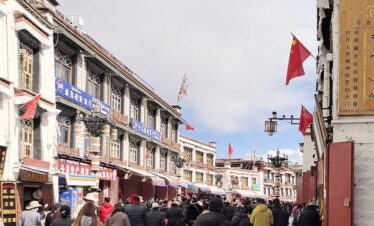
After visiting the Potala Palace, we will head to Jokhang Temple, the holiest temple in Tibet, which houses the 12-year-old Sakyamuni Buddha statue. You will follow the local pilgrims to walk around the temple, feel the strong religious atmosphere, and then stroll through Barkhor Street, the ancient commercial street around Jokhang Temple, where you can experience the local life and browse Tibetan handicrafts.
In the afternoon, we will arrange a Tibetan cultural experience: you will enter a local Tibetan sweet tea house, taste authentic sweet tea, and interact with local Tibetans to feel the simple and warm folk customs. You can also participate in folk activities in Longwangtan Park to experience the joy of Tibetan life.
【Notice】
- The Potala Palace requires official reservation in advance, and the specific visit time cannot be confirmed in advance. The itinerary order may be adjusted.
- Please do not take photos in the main halls of the Potala Palace and Jokhang Temple, and follow the guide’s instructions.
- Please keep quiet in the temple and do not disturb the pilgrims’ worship.
- There are many shops on Barkhor Street. Please pay attention to your personal belongings when shopping.
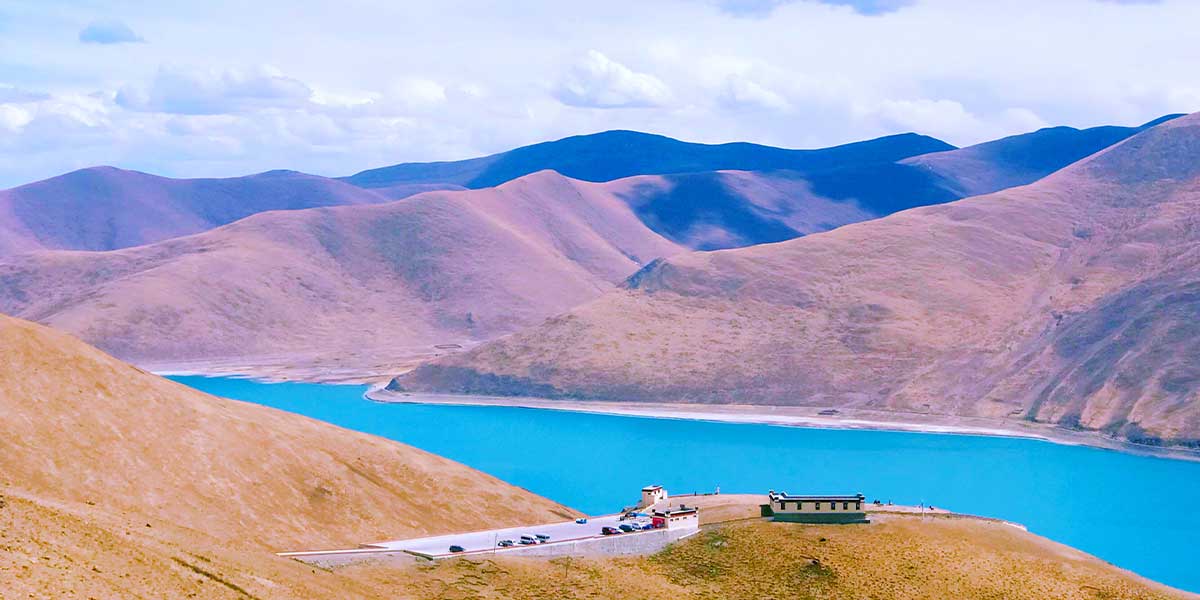
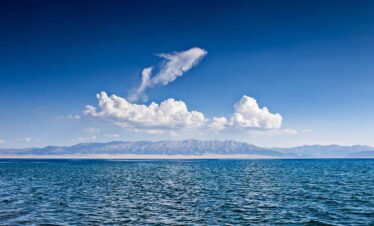
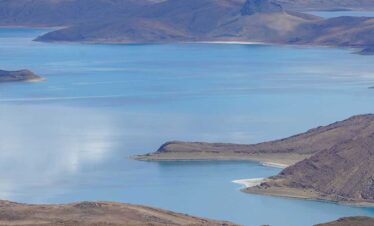
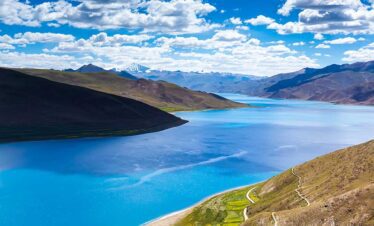
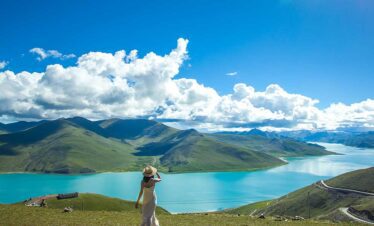
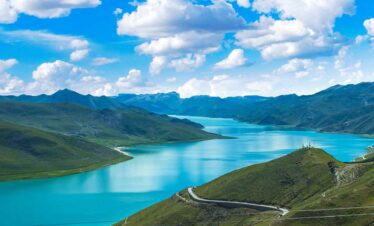
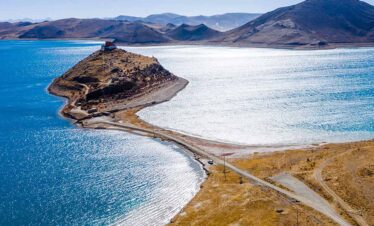
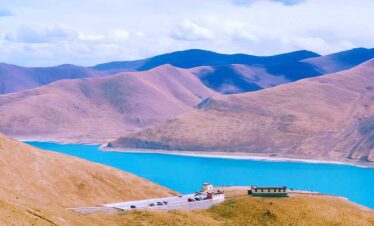
Today, we will embark on a day trip to one of Tibet’s most stunning natural wonders: Yamdrok Lake, one of the three holy lakes in Tibet, known as the “Turquoise Lake of the Plateau”. We will depart Lhasa in the morning, driving along the beautiful Sichuan-Tibet Highway, crossing the 4,998-meter-high Gangbala Pass, where you will get your first breathtaking panoramic view of Yamdrok Lake, a vast expanse of turquoise water stretching to the horizon, surrounded by snow-capped mountains.
We will then drive along the lakeside road, stopping at multiple scenic viewpoints, including the iconic Lu Rila Viewpoint for a 360° panoramic view of the lake, and the serene Rituo Monastery, a small temple perched on a tiny island in the middle of the lake, offering a peaceful and picturesque setting. We will also arrange a lakeside picnic lunch, allowing you to savor delicious local food while enjoying the stunning views of the lake and mountains. After a full day of exploration, we will return to Lhasa in the evening.
【Notice】
- The journey to Yamdrok Lake involves high-altitude mountain roads. Please prepare warm clothing, sunscreen, sunglasses, and a hat to protect against strong UV radiation and wind.
- Altitude at Gangbala Pass and lakeside areas exceeds 4,500 meters. Please move slowly and avoid strenuous exercise to prevent altitude sickness.
- The road condition is good, but the journey takes approximately 3-4 hours one way. Please bring snacks and water for the trip.
After breakfast at your hotel, we will arrange a comfortable transfer to Lhasa Gonggar Airport or Lhasa Railway Station, bidding you a fond farewell as you conclude your unforgettable Tibetan journey. We hope this trip has left you with wonderful memories of Tibet’s stunning landscapes, profound culture, and warm hospitality. Tashi Delek!
【Notice】
- Please check your flight/train departure time in advance and confirm the pick-up time with your guide the night before.
- Foreign and Taiwanese travelers need a tour guide to accompany you to the airport/train station according to regulations. Chinese travelers will be transferred by the local professional Transfer Center.
- Please ensure all your personal belongings are packed before check-out, and return any room keys to the hotel reception.
Important notes
- Passport must be valid for at least 6 months before applying for the Tibet Travel Permit.
- Tibet Travel Permit is mandatory for check‑in, boarding flights/trains, and entering all scenic spots. Keep it safe and clean, no writing or drawing on it.
- Travelers must join the group tour and cannot leave the team without the guide’s permission.
- People with severe high blood pressure, heart disease, asthma, and pregnant women are not recommended to travel to Tibet.
- Avoid heavy exercise, smoking and alcohol on the first 2 days to prevent altitude sickness.
- Drink plenty of water, eat more fruits, and keep warm to avoid catching a cold.
- Please dress modestly (shoulders and knees covered) when visiting temples and monasteries.
- Photography is prohibited inside some religious halls. Please follow signs and guide instructions.
- Only Chinese Yuan (CNY) is used in Tibet. Please prepare cash or withdraw money from ATMs.
- Be respectful to local religious beliefs and customs. Do not touch or step on religious objects.
- The itinerary order may be adjusted due to Potala Palace ticket booking and road conditions.
- Please confirm your pick‑up time with your guide one day in advance.
- Date & Price Notes:A 9% surcharge applies to the original price for travel from March 1 to May 31 and October 11 to October 31.A 13% surcharge applies to the original price for travel from June 1 to July 9 and August 21 to September 19.A 19% surcharge applies to the original price for travel/stays from July 10 to August 20 and September 20 to October 10.
Cost
The Cost Includes
- Professional licensed English-speaking local guide
- Tourist Vehicle: 7-23seats (If it’s less than 4 travelers doing Lhasa city tour, we will let tour guide to take a taxi instead. Taxi fee will be at the tour guide expense.)
- Hotel accommodation with breakfasts (4-star standard)
- Meals: Breakfasts plus featured meals - welcome dinner, farmhouse lunch, picnic lunch by Yamdrok Lake
- Admission tickets, activities listed in the itinerary
- Tibet Permits: Tibet Entry Permit, Alien Travel Permit, Border Pass, etc.
- Pick up and Drop off Service: The pick up and drop off service are free from 7:00am to 22:00pm on the pick up and drop off date.
- Oxygen and Water: A container of Oxygen per person for emergency use; 2 bottles of drinking water per person per day (300ml); 4L Medical oxygen cylinder with car
- Our service from tour planning, handling, operational and finishing your trip
The Cost Excludes
- International airfares
- Entry Visa fees
- Personal expenses
- Single Room Supplement
- Recommended optional activities
- Arrival/departure flights or train on the first and last day
- Tips or gratuities for guides and drivers
Frequently Asked Questions (FAQs)
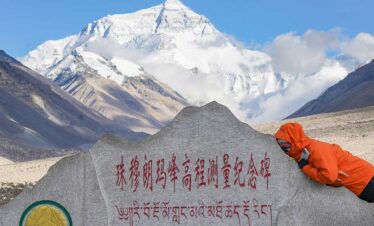
All foreign tourists are required to obtain a Tibet Travel Permit to travel to Tibet. This permit can only be applied for through a registered travel agency in Tibet (we are a local travel agency in Tibet with our office in Lhasa), and is required to purchase an air or train ticket to Tibet. The permit is necessary to enter Tibet and visit certain areas in the region, including Lhasa and Everest Base Camp. Travelers should plan ahead and allow enough time for the permit application process, as it may take one to two weeks to obtain the necessary permits.
The best time to visit Tibet is from April to October every year, which is the spring, summer and autumn seasons. The climate at this time is mild and dry, with clear skies and comfortable temperatures.
The peak tourist season is from late June to early October. However, visiting in the shoulder seasons of April to May and mid-October to November will have fewer crowds and lower prices. You can decide the best time to come to Tibet and fulfill your Tibetan dream.
In addition to weather conditions, there are also some grand festivals such as Saga Dawa Festival (May/June), Tibetan New Year (February) and Shoton Festival (August). If you are interested in cultural experiences in Tibet, please feel free to contact our travel experts to meet your ideas and preferences.
Yes, it is recommended that visitors be in good physical condition when taking a trip to Tibet, as many tours involve hiking and trekking at high altitudes. The average altitude in Tibet is over 4,000 meters (13,000 feet), and some popular tourist destinations, such as Mount Everest and Mount Kailash, are even higher. Visitors with heart or lung disease, high blood pressure, or other medical conditions that may be affected by high altitudes should consult a doctor before traveling to Tibet.
With the average elevation of the region at over 4,000 meters, altitude sickness is a common concern for visitors to Tibet. Not everyone experiences altitude sickness when traveling to Tibet, and most visitors arrive in good condition.
Symptoms of altitude sickness include headaches, nausea, dizziness, and shortness of breath. It is important to allow time to acclimate to the high altitude and take precautions to prevent altitude sickness. Travelers should drink plenty of water, avoid alcohol and caffeine, and eat light foods rich in carbohydrates. It is also recommended to take it easy for the first few days, avoid strenuous activity, and allow time to acclimate to the new altitude after arriving in Lhasa. Some travelers may also take medication to prevent or treat altitude sickness.
If symptoms of altitude sickness persist or worsen, seek medical attention immediately. Many hotels and travel agencies in Tibet have oxygen supplies to help relieve symptoms of altitude sickness. Always consult a doctor before traveling to Tibet, especially if you have a history of heart or lung disease, high blood pressure, or other conditions that may be affected by high altitudes.
There are two main types of accommodation options for Tibet group tours: basic standard and comfortable. In large cities such as Lhasa, there are a variety of accommodation options, ranging from three-star to four-star hotels. In remote areas such as near Mount Everest or Mount Kailash, accommodation may be more basic, with simple guesthouses or tented camps. After booking, we will email you detailed hotel arrangements.
The most common way to travel to Tibet is by train or plane. The Qinghai-Tibet Railway is the highest railway in the world and offers stunning views of the Tibetan Plateau. There are also several flights to Lhasa Gonggar Airport from major Chinese cities such as Beijing, Shanghai, Chengdu and Xi’an. You will need a Tibet Permit to board the train or plane. We can help you book your Tibet train or flight to Lhasa and obtain a Tibet Permit.
Write a Review