

Overview
This 8-day classic Tibet journey takes you from the holy city Lhasa to the world’s highest peak—Mount Everest (8848m). You will visit iconic cultural sites including Potala Palace, Jokhang Temple, Sera Monastery, and Tashilhunpo Monastery. You will enjoy the turquoise Yamdrok Lake, magnificent Karola Glacier, and the stunning Himalayan panorama at Gyawula Pass. You will stay overnight at Everest Base Camp to watch the golden sunset and bright starry sky. Immerse yourself in Tibetan religion, culture, and breathtaking alpine scenery, completing an unforgettable trip to the roof of the world.这个8天的经典西藏之旅将带你从圣城拉萨前往世界最高峰珠穆朗玛峰(8848米)。您将参观布达拉宫、大昭寺、色拉寺和扎什伦布寺等标志性文化遗址。您将欣赏到绿松石般的羊卓克湖,壮丽的卡罗拉冰川,以及嘉乌拉山口令人惊叹的喜马拉雅全景。您将在珠峰大本营过夜,欣赏金色的日落和明亮的星空。让自己沉浸在西藏的宗教、文化和壮丽的高山风光中,完成一次难忘的世界屋脊之旅。
Highlights
- Integrates classic attractions like the Potala Palace and niche spots such as the traditional handicraft center, offering a rich and unique experience.
- Carefully - selected vehicles ensure safety. A combination of various transportation methods makes sightseeing convenient and interesting.
- Challenge high altitudes to reach Everest Base Camp, exercise willpower, and gain a sense of achievement and growth.
- Beautiful in all seasons. Enjoy mountain flowers in spring, lush views in summer, colorful scenery in autumn, and snowy landscapes in winter, with diverse landscapes.
Itinerary
Upon your arrival at Lhasa airport, your guide will greet you and escort you to your hotel and help you check in. You will have the rest of the day and evening to rest and relax to become acclimatized the high altitude of Tibet.
【Notice】
Pick up/drop off: Foreign and Taiwanese travelers need a tour guide to pick up/drop off according to the regulations of the Tourism Administration. Chinese traveler without foreign partner will pick up/drop off by local professional Transfer Center. Our staff/guide will contact you in advance, please ensure that your mobile phone is unobstructed.
Altitude sickness:With its much higher elevation, some visitors may experience symptoms of altitude sickness. We recommend taking everything slowly, getting plenty of rest the first day and staying very well hydrated by drinking plenty of water to minimize the effects of the high altitude. Usually, you will be fine by the second day, but if you do experience severe and/or worsening symptoms, please contact your guide or a member of our staff immediately
Today, we will embark on a spiritual journey to explore two of Lhasa’s most famous Tibetan Buddhist monasteries. We will depart early in the morning to visit Drepung Monastery, the largest monastery in Tibet and a UNESCO World Heritage Site. If you travel during the annual Shoton Festival, you will witness the spectacular Buddha Thangka Unveiling Ceremony, where a giant thangka of the Buddha is unfurled on the mountainside, a breathtaking display of Tibetan religious culture. After the ceremony, you will have time to explore the monastery’s grand halls, monk quarters, and learn about its 600-year history as the heart of the Gelug school of Tibetan Buddhism.
In the afternoon, we will head to Sera Monastery, one of the “Three Great Monasteries” of Lhasa, famous for its vibrant daily monk debating session held at 15:00. You will witness the lively, ritualized debates between monks on Buddhist scriptures, a unique and immersive cultural experience that offers a window into the daily life of Tibetan monastic communities. After the debate, you can wander the monastery’s quiet courtyards and admire its stunning Tibetan architecture.
【Notice】
- The Buddha Thangka Unveiling Ceremony at Drepung Monastery is only held during the annual Shoton Festival (usually in August). For visits outside the festival, we will conduct a full tour of Drepung Monastery instead.
- Please dress modestly (cover shoulders and knees) when entering all religious sites, and follow the guidance of your guide to show respect for local customs.
- Photography is strictly prohibited in certain halls of the monasteries; please follow the on-site signs and guide’s instructions.
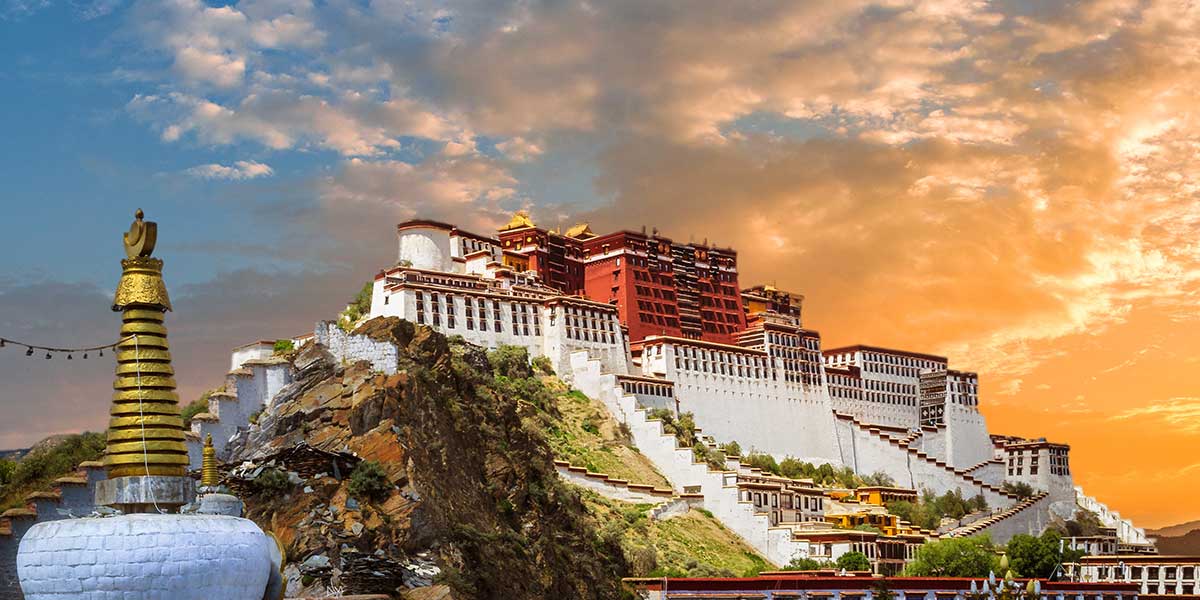
This morning, we will visit the iconic Potala Palace, the symbol of Tibet and a UNESCO World Heritage Site. This magnificent 13-story palace, perched on Marpo Ri Hill, was the winter residence of the Dalai Lamas and the political and religious center of Tibet for centuries. Your guide will lead you through its stunning halls, chapels, and treasure rooms, sharing the rich history, art, and religious significance of this architectural masterpiece, including the golden tombs of the Dalai Lamas and thousands of ancient murals and scriptures.
In the afternoon, we will head to the heart of old Lhasa: Jokhang Temple, the most sacred temple in Tibetan Buddhism, housing the revered Jowo Sakyamuni Buddha statue. After exploring the temple, we will take a stroll along Barkhor Street, the ancient pilgrim circuit surrounding Jokhang Temple. You can immerse yourself in the vibrant local life, watch pilgrims prostrate along the kora, browse traditional Tibetan handicraft shops, and stop at a local sweet tea house to savor authentic Tibetan butter tea and sweet tea, experiencing the true charm of Lhasa.
【Notice】
- Potala Palace has strict daily visitor limits and requires advance reservation. We will handle the ticket booking for you, but please ensure you carry your valid passport/ID card for entry.
- Photography is strictly prohibited inside the Potala Palace and Jokhang Temple; please follow the on-site regulations.
- Please avoid touching religious artifacts and follow the guidance of your guide to show respect for local religious beliefs.
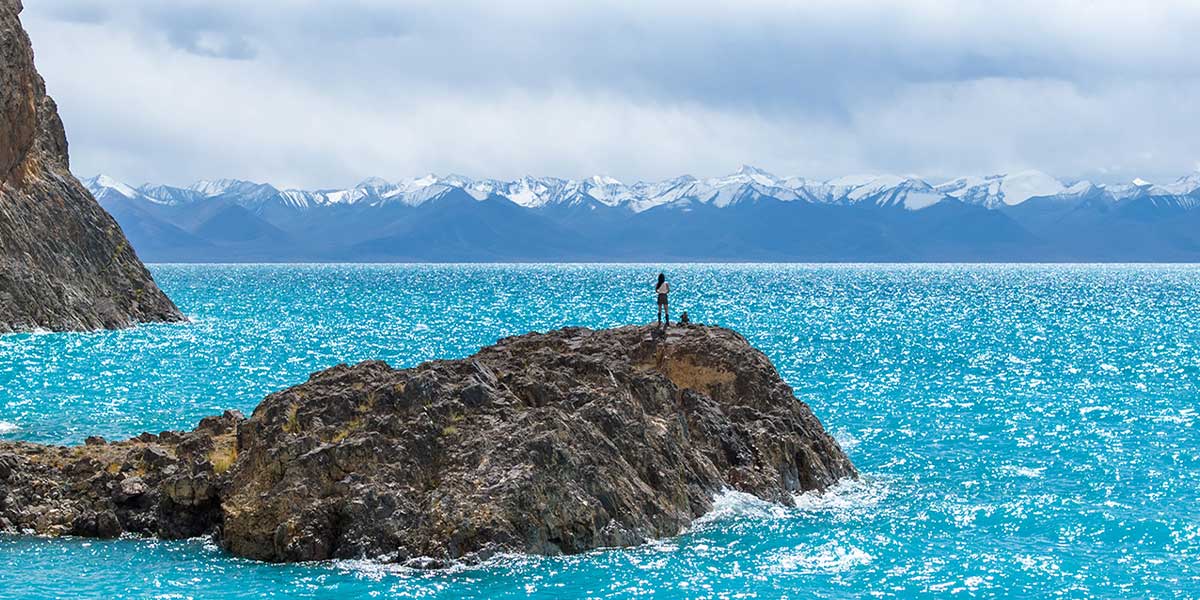
This morning we’ll take a drive up to the Kampala Pass (elevation 4797 meters) where you’ll have a glimpse of 【Yamdrok Lake】down below as well as spectacular views of the holy Mount Nyenchen Khangsar in the distance. You will need your camera ready for the turquoise waters of Yamdrok Lake, which is one of the three holy lakes of Tibet, and the beautiful Mt. Nyenchen Khangsar glacier as seen from the Karol la Pass. Later on we’ll be able to visit the【Karola Glacier】.
【Notice】
Foreign travelers who will visit Mt. Everest need to apply Aliens’Travel Permit in Shigatse. The tour guide may adjust the itinerary according to the travel permit application status.
Please expect for a long queue time for the travel permit application during peak seasons due to system failure or a sudden increase in the number of applicants
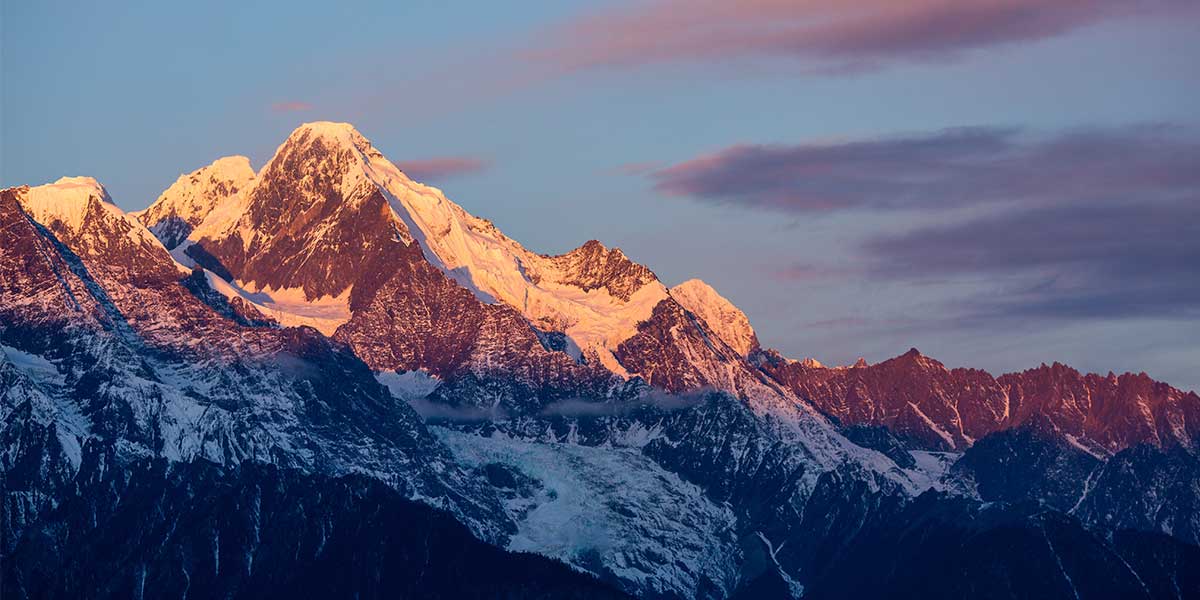
Today, we will head to the ultimate destination: Everest Base Camp. We will depart Shigatse in the morning, driving along the Friendship Highway, passing through Tingri County, and ascending to the 5,198-meter-high Gyawula Pass, where you will enjoy a panoramic view of 5 of the world’s 10 highest peaks, including Mount Everest, Lhotse, Makalu, Cho Oyu, and Shishapangma.
We will then continue to Everest Base Camp, the starting point for climbers ascending Mount Everest. Upon arrival, you will have time to explore the base camp, visit the Everest Monument, and witness the stunning golden sunset over Mount Everest (weather permitting). In the evening, we will stay at the Rongbuk Tent Guesthouse near the base camp, with a front-row view of the world’s highest peak.
【Notice】
- Everest Base Camp has an altitude of over 5,200 meters, with extremely low oxygen levels and cold temperatures. Please prepare thick warm clothing, sleeping bags, and sufficient water.
- We provide medical oxygen on board, but please avoid strenuous exercise and move slowly to prevent severe altitude sickness.
- The tent guesthouse has basic facilities only. Hot water and electricity are limited. Please manage your personal items accordingly.
- The itinerary is subject to change due to weather, road conditions, or permit issues. We will adjust the route to ensure your safety.
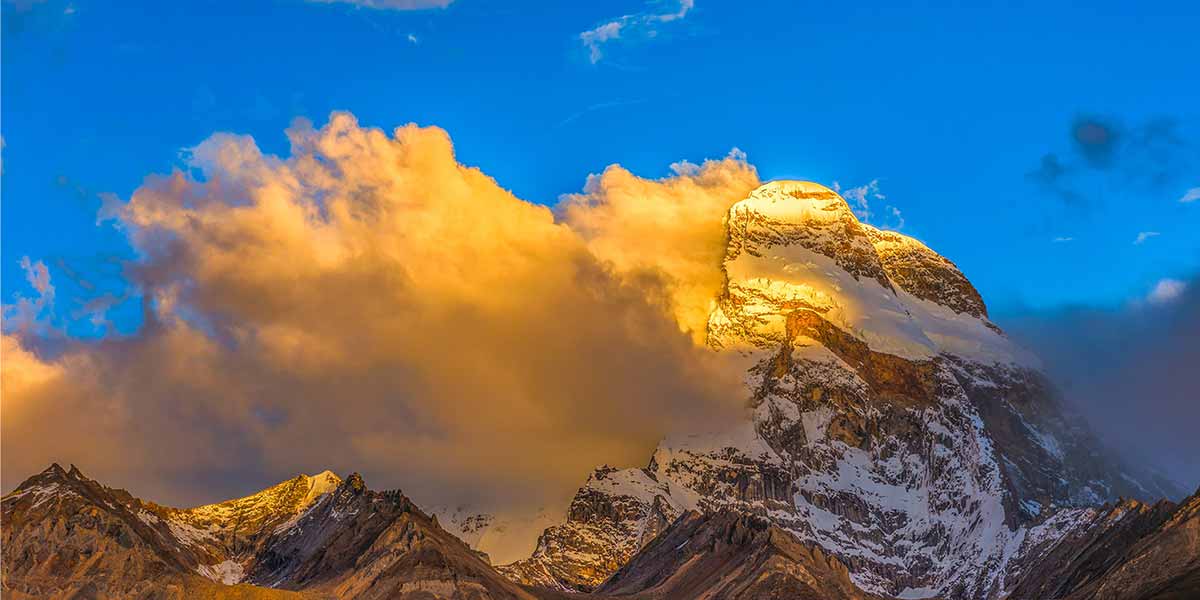
This morning, you will have the opportunity to witness the breathtaking sunrise over Mount Everest, turning the snow-capped peak into a golden “Everest Gold Mountain”. Afterward, we will visit Rongbuk Monastery, the highest monastery in the world, located at the foot of Mount Everest, with a stunning view of the peak. You can explore the monastery and learn about its religious history and culture.
We will then start our journey back to Shigatse, stopping at the Xilin Viewpoint for a final view of Mount Everest before descending. Upon arrival in Shigatse in the evening, we will host a farewell dinner with traditional Tibetan song and dance performances, celebrating your unforgettable Everest journey.
【Notice】
- Sunrise viewing requires an early wake-up. Please prepare warm clothing and follow the guide’s schedule.
- Photography is strictly prohibited inside Rongbuk Monastery; please follow the on-site regulations.严禁在融北寺内摄影;请遵守现场规定。
- The return journey takes approximately 6-7 hours. Please bring snacks and water for the trip.回程大约需要6-7个小时。请带好零食和水。
Today, we will explore the cultural heart of Shigatse before returning to Lhasa. In the morning, we will visit Tashilhunpo Monastery, the seat of the Panchen Lama and one of the most important monasteries in Tibet. You will explore its grand halls, golden stupas, and treasure rooms, learning about the history and religious significance of the Gelug school of Tibetan Buddhism.
After the visit, we will drive back to Lhasa along the Yarlung Tsangpo River, enjoying the stunning views of the Tibetan plateau along the way. Upon arrival in Lhasa in the evening, you will have free time to rest or explore the local night market.
【Notice】 【注意事项】
- Please dress modestly (cover shoulders and knees) when entering Tashilhunpo Monastery, and follow the guidance of your guide.
- Photography is strictly prohibited in certain halls of the monastery; please follow the on-site signs and guide’s instructions.
- The return journey takes approximately 5-6 hours. Please bring snacks and water for the trip.
After breakfast at your hotel, we will arrange a comfortable transfer to Lhasa Gonggar Airport or Lhasa Railway Station, bidding you a fond farewell as you conclude your unforgettable Tibetan journey. We hope this trip has left you with wonderful memories of Tibet’s stunning landscapes, profound culture, and warm hospitality. Tashi Delek!
【Notice】
- Please check your flight/train departure time in advance and confirm the pick-up time with your guide the night before.
- Foreign and Taiwanese travelers need a tour guide to accompany you to the airport/train station according to regulations. Chinese travelers will be transferred by the local professional Transfer Center.
- Please ensure all your personal belongings are packed before check-out, and return any room keys to the hotel reception.
Important notes
- Passport must be valid for at least 6 months before applying for the Tibet Travel Permit.
- Tibet Travel Permit is mandatory for check-in, boarding flights/trains, and entering all scenic spots. Keep it safe and clean, no writing or drawing on it.
- Travelers must join the group tour and cannot leave the team without the guide’s permission.
- People with severe high blood pressure, heart disease, asthma, and pregnant women are not recommended to travel to Tibet.
- Avoid heavy exercise, smoking and alcohol on the first 2 days to prevent altitude sickness.
- Drink plenty of water, eat more fruits, and keep warm to avoid catching a cold.
- Please dress modestly (shoulders and knees covered) when visiting temples and monasteries.
- Photography is prohibited inside some religious halls. Please follow signs and guide instructions.
- Only Chinese Yuan (CNY) is used in Tibet. Please prepare cash or withdraw money from ATMs.
- Be respectful to local religious beliefs and customs. Do not touch or step on religious objects.
- The itinerary order may be adjusted due to Potala Palace ticket booking, weather, or road conditions.
- Please confirm your pick-up time with your guide one day in advance.
- Date & Price Notes:A 10% surcharge applies to the original price for travel from March 1 to May 31 and October 11 to October 31.A 16% surcharge applies to the original price for travel from June 1 to July 9 and August 21 to September 19.A 23% surcharge applies to the original price for travel/stays from July 10 to August 20 and September 20 to October 10.
Cost
The Cost Includes
- Professional licensed English-speaking local guide
- Tourist Vehicle: 7-23seats (If it’s less than 4 travelers doing Lhasa city tour, we will let tour guide to take a taxi instead. Taxi fee will be at the tour guide expense.)
- Hotel accommodation with breakfasts (4-star standard)
- Meals: Breakfasts plus featured meals - welcome dinner, farmhouse lunch, farewell dinner with performance
- Admission tickets, activities listed in the itinerary
- Tibet Permits: Tibet Entry Permit, Alien Travel Permit, Border Pass, etc.
- Pick up and Drop off Service: The pick up and drop off service are free from 7:00am to 22:00pm on the pick up and drop off date.
- Oxygen and Water: A container of Oxygen per person for emergency use; 2 bottles of drinking water per person per day (300ml); 4L Medical oxygen cylinder with car
- Our service from tour planning, handling, operational and finishing your trip
The Cost Excludes
- International airfares
- Entry Visa fees
- Personal expenses
- Single Room Supplement
- Recommended optional activities
- Arrival/departure flights or train on the first and last day
- Tips or gratuities for guides and drivers
Frequently Asked Questions (FAQs)
All foreign tourists are required to obtain a Tibet Travel Permit to travel to Tibet. This permit can only be applied for through a registered travel agency in Tibet (we are a local travel agency in Tibet with our office in Lhasa), and is required to purchase an air or train ticket to Tibet. The permit is necessary to enter Tibet and visit certain areas in the region, including Lhasa and Everest Base Camp. Travelers should plan ahead and allow enough time for the permit application process, as it may take one to two weeks to obtain the necessary permits.
The best time to visit Tibet is from April to October every year, which is the spring, summer and autumn seasons. The climate at this time is mild and dry, with clear skies and comfortable temperatures.
The peak tourist season is from late June to early October. However, visiting in the shoulder seasons of April to May and mid-October to November will have fewer crowds and lower prices. You can decide the best time to come to Tibet and fulfill your Tibetan dream.
In addition to weather conditions, there are also some grand festivals such as Saga Dawa Festival (May/June), Tibetan New Year (February) and Shoton Festival (August). If you are interested in cultural experiences in Tibet, please feel free to contact our travel experts to meet your ideas and preferences.
Yes, it is recommended that visitors be in good physical condition when taking a trip to Tibet, as many tours involve hiking and trekking at high altitudes. The average altitude in Tibet is over 4,000 meters (13,000 feet), and some popular tourist destinations, such as Mount Everest and Mount Kailash, are even higher. Visitors with heart or lung disease, high blood pressure, or other medical conditions that may be affected by high altitudes should consult a doctor before traveling to Tibet.
With the average elevation of the region at over 4,000 meters, altitude sickness is a common concern for visitors to Tibet. Not everyone experiences altitude sickness when traveling to Tibet, and most visitors arrive in good condition.
Symptoms of altitude sickness include headaches, nausea, dizziness, and shortness of breath. It is important to allow time to acclimate to the high altitude and take precautions to prevent altitude sickness. Travelers should drink plenty of water, avoid alcohol and caffeine, and eat light foods rich in carbohydrates. It is also recommended to take it easy for the first few days, avoid strenuous activity, and allow time to acclimate to the new altitude after arriving in Lhasa. Some travelers may also take medication to prevent or treat altitude sickness.
If symptoms of altitude sickness persist or worsen, seek medical attention immediately. Many hotels and travel agencies in Tibet have oxygen supplies to help relieve symptoms of altitude sickness. Always consult a doctor before traveling to Tibet, especially if you have a history of heart or lung disease, high blood pressure, or other conditions that may be affected by high altitudes.
There are two main types of accommodation options for Tibet group tours: basic standard and comfortable. In large cities such as Lhasa, there are a variety of accommodation options, ranging from three-star to four-star hotels. In remote areas such as near Mount Everest or Mount Kailash, accommodation may be more basic, with simple guesthouses or tented camps. After booking, we will email you detailed hotel arrangements.
The most common way to travel to Tibet is by train or plane. The Qinghai-Tibet Railway is the highest railway in the world and offers stunning views of the Tibetan Plateau. There are also several flights to Lhasa Gonggar Airport from major Chinese cities such as Beijing, Shanghai, Chengdu and Xi’an. You will need a Tibet Permit to board the train or plane. We can help you book your Tibet train or flight to Lhasa and obtain a Tibet Permit.
Write a Review